
Talking to children about world news can feel difficult when adults are still processing the story themselves. Children may ask direct questions at unexpected moments. They may repeat dramatic phrases without understanding them. Parents do not need perfect answers. They need calm presence and thoughtful boundaries. A grounded response can turn confusion into connection. It can also keep scary information from becoming larger than life. The best approach starts with curiosity. Ask what the child heard first. Then answer only what they truly need.
The first response sets the emotional temperature. A worried face can make news feel closer. A calm face can make the same topic feel safer. Children often watch adults before they process words. Pause before answering if the question surprises you. This small pause helps you respond intentionally. It also prevents accidental oversharing. Parents can rely on calm parenting language when stories feel intense. Children do not need panic translated into detail. They need steadiness before information.
Not every detail belongs in a child’s mind. Some facts inform. Others overwhelm. Parents can separate the main idea from graphic information. Keep explanations short at first. Children will ask more if they need more. This protects their emotional capacity. It also respects their developmental stage. Older children may handle more nuance. Younger children usually need fewer specifics. Thoughtful limits are not avoidance; they are care.
Trust grows when adults tell the truth gently. Children can sense when something is hidden. They can also sense when adults become dramatic. A clear, simple answer builds credibility. Say what is known in plain words. Admit uncertainty when details are not clear. That honesty models healthy thinking. A family discussion resource can help parents prepare for repeated questions. Trust does not require endless explanation. It requires warmth, honesty, and consistency.
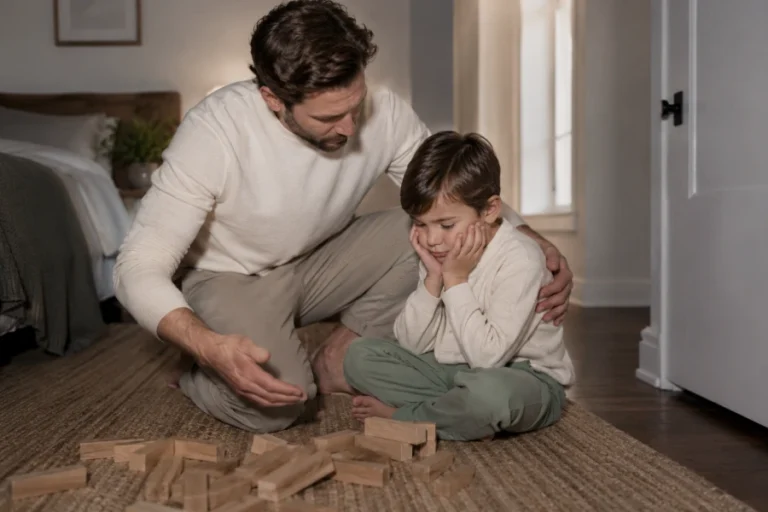
Children often ask questions because they want closeness. The topic may matter less than the reassurance. Sit near them if possible. Make eye contact without pressure. Let the conversation happen slowly. Some children process by asking again later. Others need quiet time before speaking. Connection tells them they are not alone with worry. Parents can return to the topic gently. This rhythm makes hard conversations feel less frightening.
News can become an empathy lesson when handled carefully. Children can learn that people in difficult situations deserve compassion. They can notice helpers, communities, and acts of courage. This keeps the discussion from becoming only about danger. Empathy also broadens a child’s worldview. It teaches them to care without carrying adult burdens. Parents can use emotional safety for kids while discussing serious events. Compassion feels stronger when paired with reassurance. Children can care and still feel safe.
Routine helps children recover after serious conversations. Dinner, bedtime, school, and play still matter. Predictable rhythms remind children that their world remains steady. Parents should avoid leaving difficult conversations open-ended. End with a clear next step or comforting ritual. Read together. Take a walk. Prepare for tomorrow. These ordinary moments help the nervous system settle. News should not become the center of family life. Healthy routines keep perspective in place.



Leave a comment