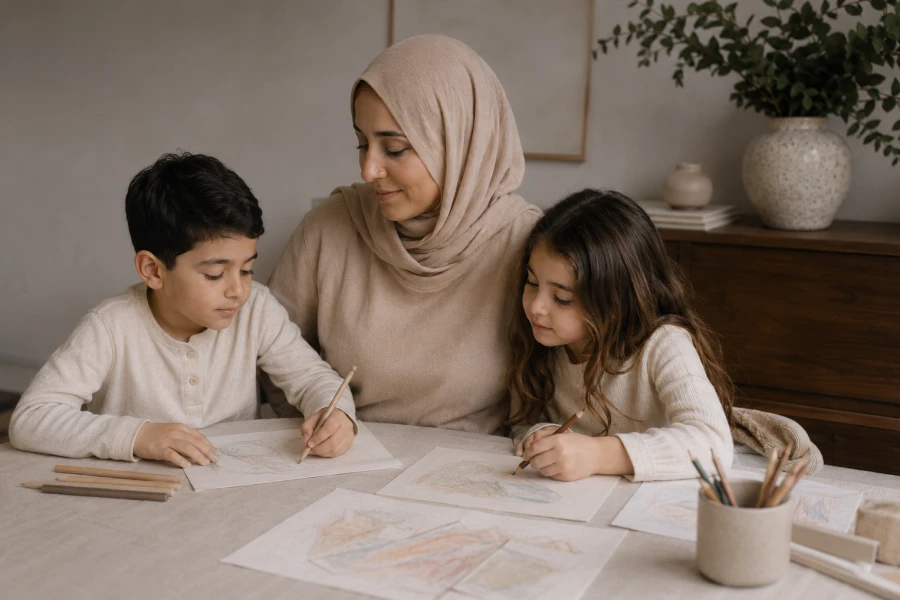
Helping kids understand current events is less about delivering a lesson and more about creating a safe doorway. Children need adults to translate complexity into meaning. They also need protection from information that is too mature. A thoughtful conversation can reduce confusion. It can also build empathy and critical thinking. Parents and educators do not need to simplify everything into perfection. They can offer enough context for the child’s age. They can acknowledge feelings openly. They can point toward helpers and solutions. Hope matters when the world feels loud.
Children rarely arrive with a blank slate. They may have heard classmates talking. They may have seen a headline on a screen. Some may have absorbed adult worry nearby. Ask what they understand before explaining. This shows respect for their thoughts. It also prevents adding unnecessary fear. Clarify the story in simple language. A current events for children approach keeps the focus clear. Start small and expand only when needed. Their answers should guide the next step.
Children often mix facts with emotions. A distant event may feel personally threatening. A dramatic image may feel like it is happening everywhere. Parents can separate what happened from what the child fears. This distinction matters deeply. It helps children think more clearly. It also lowers panic. Use simple sentences and soft pacing. Explain that feelings are real, even when fears need correction. This balance builds emotional strength and better judgment.
Media awareness begins earlier than many adults expect. Children see clips, thumbnails, headlines, and reactions. They need help understanding that screens can make events feel immediate. Explain that not every image tells the full story. Teach them to ask who shared the information. Encourage them to pause before believing dramatic claims. Parents can use kid-safe media literacy as a practical family habit. This does not make children cynical. It helps them become thoughtful and careful.
Questions should not feel like interruptions. They are invitations into a child’s inner world. Welcome them with patience when possible. If timing is difficult, promise a later conversation. Then return to it as promised. This teaches children that their concerns matter. It also keeps them from searching alone. A question-friendly home reduces secrecy and confusion. Children become more likely to ask before panic grows. That openness protects them in many situations.
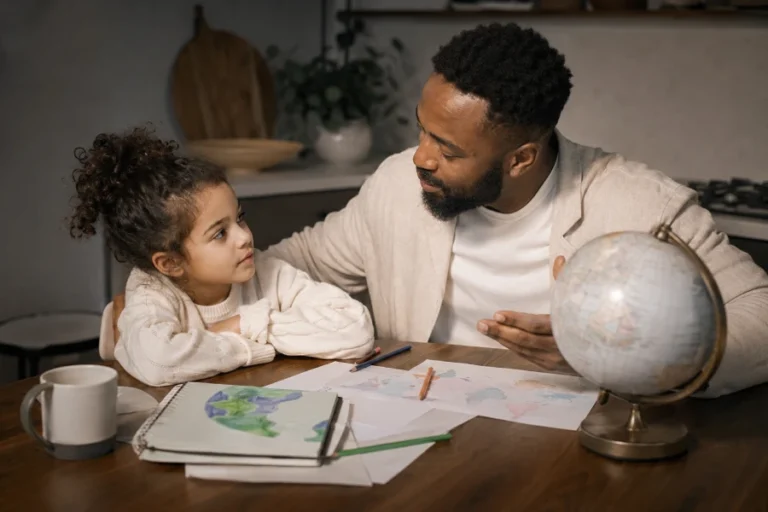
Compassion helps children process hard stories without becoming numb. They can learn that real people are affected by events. They can also learn that communities respond with care. Pointing out helpers gives the story balance. Children need to see courage alongside harm. They need examples of repair and support. A world events parenting tool can support that balanced framing. Compassion should not become fear. It should become thoughtful concern with healthy boundaries.
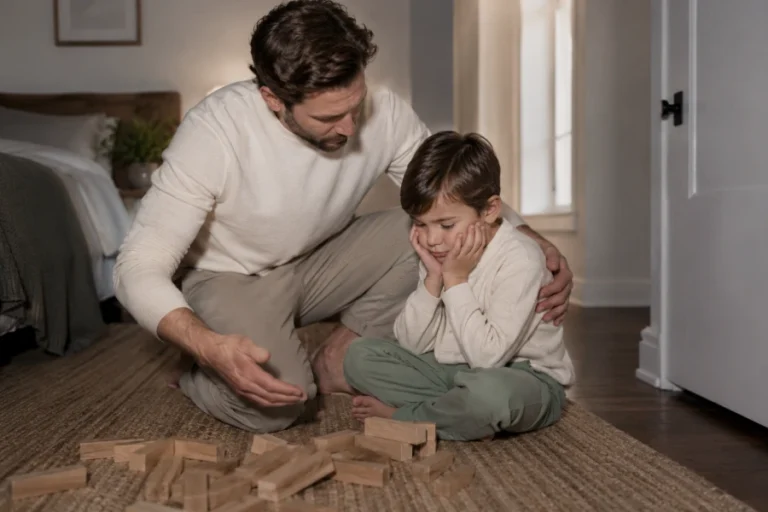
Grounding closes the emotional loop. After a serious conversation, help the child return to the present. Notice the room. Name something safe. Breathe together. Move the body if needed. Children process stress through action and rhythm. A warm routine can help more than another explanation. Remind them who cares for them today. Keep the ending steady and hopeful. A grounded finish makes future conversations easier.


Leave a comment