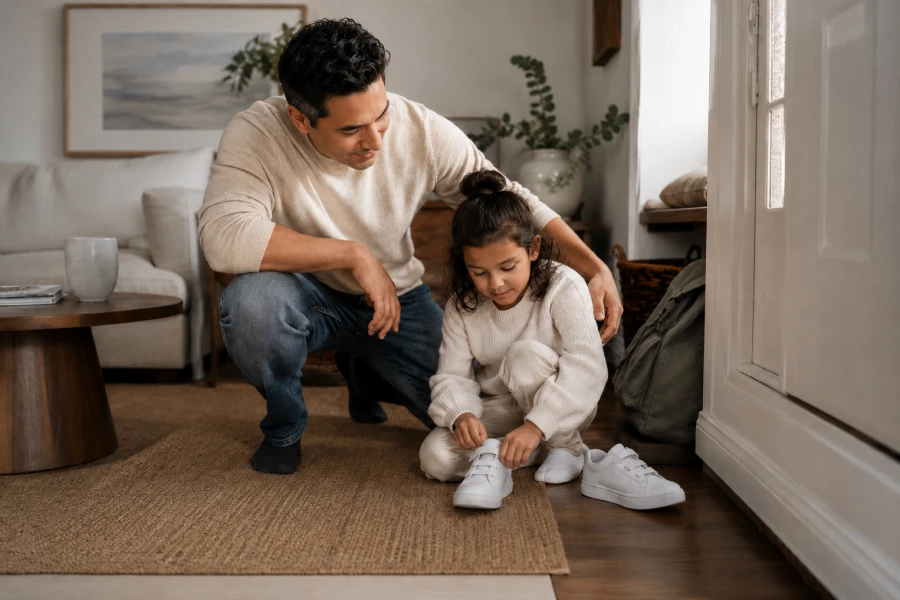
Coping skills for kids work best when they are simple, repeatable, and realistic. Families do not need complicated systems to support emotional growth. Children need tools they can remember when feelings get loud. A skill should fit the moment and the child. Some children need movement. Others need words, quiet, or comfort. Parents can offer choices without turning emotions into a performance. Practice matters more than perfection. A small skill used often can become powerful. Real family life is the best training ground.
Simple tools are easier to use during stress. A child in distress cannot remember a long process. They need one clear next step. Breathe slowly. Squeeze a pillow. Name the feeling. Drink water. Walk to another room. Parents can build healthy emotional habits around these small actions. Simplicity reduces resistance. It also makes success more likely.
Children calm in different ways. One child may talk through every feeling. Another may need silence before words appear. A third may need physical movement. Parents should notice patterns instead of forcing one method. The best skill matches the child’s nervous system. It also respects personality. Try several options during calm moments. Keep what works. Release what creates more frustration. Personal fit makes coping feel natural instead of assigned.
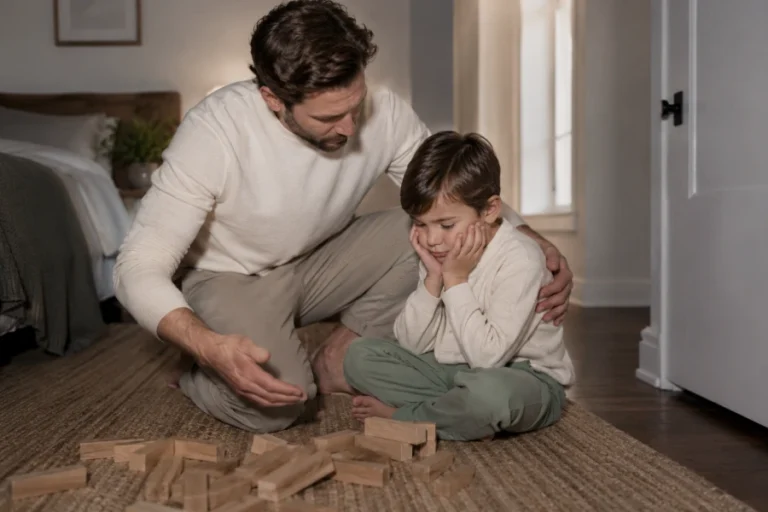
Disappointment often arrives with intense body feelings. A child may cry, argue, withdraw, or lash out. Coping tools help create space between feeling and reaction. That space is where learning begins. A parent can name the moment gently. Then they can offer one familiar tool. A disappointment recovery plan can guide the next step. Children learn that feelings do not have to drive every action. This lesson grows with practice. Over time, recovery becomes more familiar.
Skills work better when practiced early. A calm child can learn more easily. Make practice short and playful. Try breathing before bedtime. Try movement before homework. Try feeling words during dinner conversations. These ordinary moments make tools less strange. Children then recognize the skill during stress. Practice should not feel like a lecture. The goal is familiarity, not performance.
Independence grows when children know what to do next. Parents can coach without controlling every response. Offer two choices instead of ten. Ask which tool might help. Praise the attempt, even if the first effort is messy. Children gain confidence through ownership. A parenting resilience resource can help families keep the process consistent. Independence does not mean handling everything alone. It means gradually using support wisely.
Everyday use turns coping into character. Children who practice calming learn patience. Children who name feelings learn self-awareness. Children who try again learn courage. These strengths develop slowly through repeated moments. Parents should expect progress to look uneven. Some days will still feel difficult. That does not mean the tools failed. It means the child is still learning. With time, coping becomes part of how the child moves through life.

Leave a comment