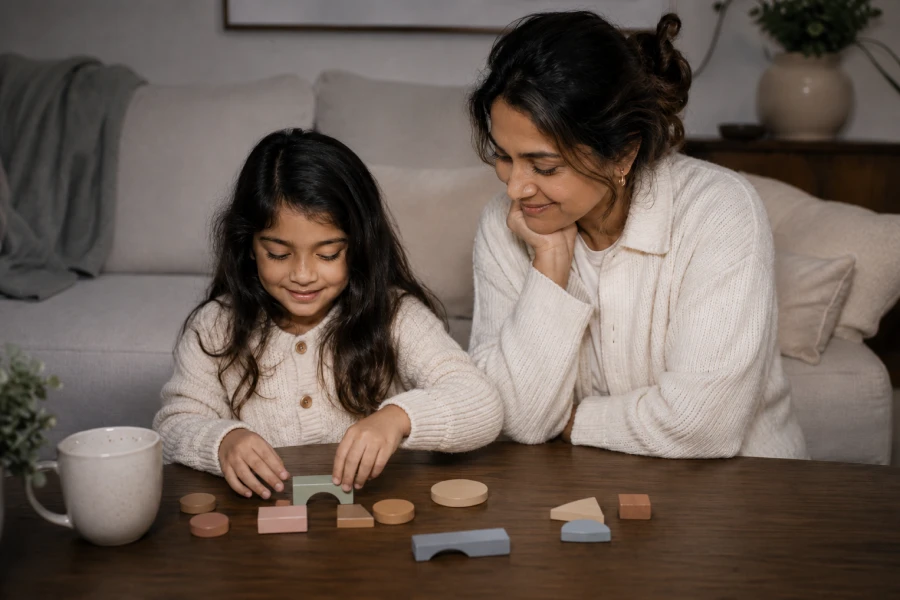
Emotional resilience for kids often develops during ordinary days, not dramatic turning points. A broken toy, a hard assignment, or a changed plan can become practice. Children learn how to recover through supported repetition. They notice how adults respond to frustration. They also learn whether feelings are safe to express. Resilience is not toughness without tears. It is the ability to feel, steady, and try again. Parents can shape that process gently. The smallest moments matter because they happen often. Those moments become emotional training over time.
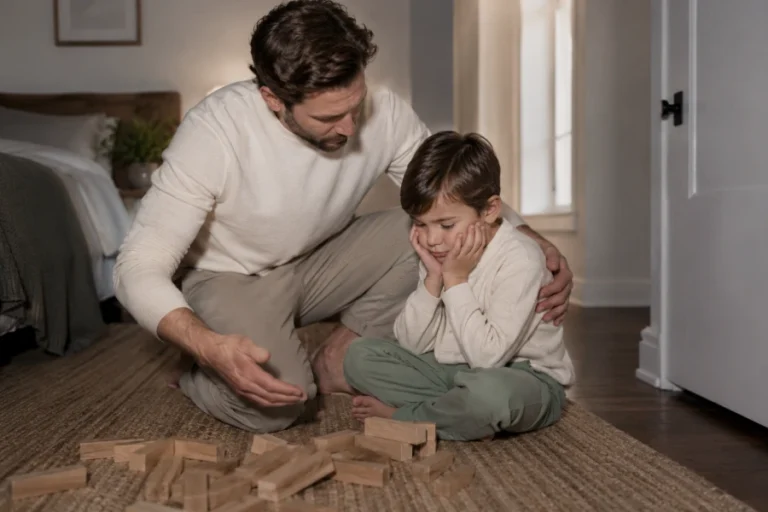
Children build resilience through relationships first. A safe adult helps the nervous system settle. Connection gives the child courage to face discomfort. This does not mean rescuing them from every struggle. It means staying present while they struggle. Warmth makes challenge more manageable. Children who feel supported often try again sooner. Families can use resilience building for children to support that balance. Connection becomes the foundation for independence. Secure children can practice brave behavior.
Perfection makes disappointment feel dangerous. Recovery makes mistakes feel survivable. Parents can praise the return, not only the result. A child who tries again has done something important. This shift changes the emotional goal. It reduces pressure and increases courage. Talk about mistakes as information. Discuss what can change next time. Keep the tone practical and kind. Children become more willing to learn when failure loses its sting.
School and friendship struggles test emotional flexibility. A low grade can feel embarrassing. A friend’s comment can feel devastating. Children may not know how to separate one moment from their whole identity. Adults can help them widen the picture. Ask what happened, what they felt, and what they need. Then help them choose one next step. A kids coping framework gives structure to those conversations. Small decisions restore confidence. Children learn that one hard moment is not everything.
Children watch adults closely during stress. They notice sighs, tone, blame, and recovery. Parents do not need to act perfectly. They can model repair after frustration. Saying that a moment was hard teaches honesty. Taking a breath teaches regulation. Apologizing teaches accountability. These examples often matter more than advice. Children absorb the pattern over time. A calm adult gives resilience a visible shape.
Predictable tools make hard feelings less mysterious. A child can use breathing, movement, drawing, or quiet space. The tool should fit the child’s temperament. Some children calm through words. Others calm through action. Practice the tool when life is peaceful. Stress makes new skills harder to access. Parents can introduce practical parenting skills before the next hard day arrives. Familiar tools reduce panic. They also give children a sense of control.
Resilience grows faster in a family culture that allows learning. Mistakes should not become labels. Feelings should not become threats. Effort deserves attention. Repair should be normal. Parents can talk about their own small recoveries. This makes resilience part of daily life. Children begin to see setbacks as temporary. They also become kinder to themselves and others. A resilient family culture supports everyone, not only children.



Leave a comment